HAX: Creating the Standards for Human Agent Collaboration
At Outshift by Cisco, I created the opensource HAX project to design the next layer of interaction between humans and intelligent agents. Through shared principles, reusable components, and an SDK, we made agent behavior visible and consistent across systems.

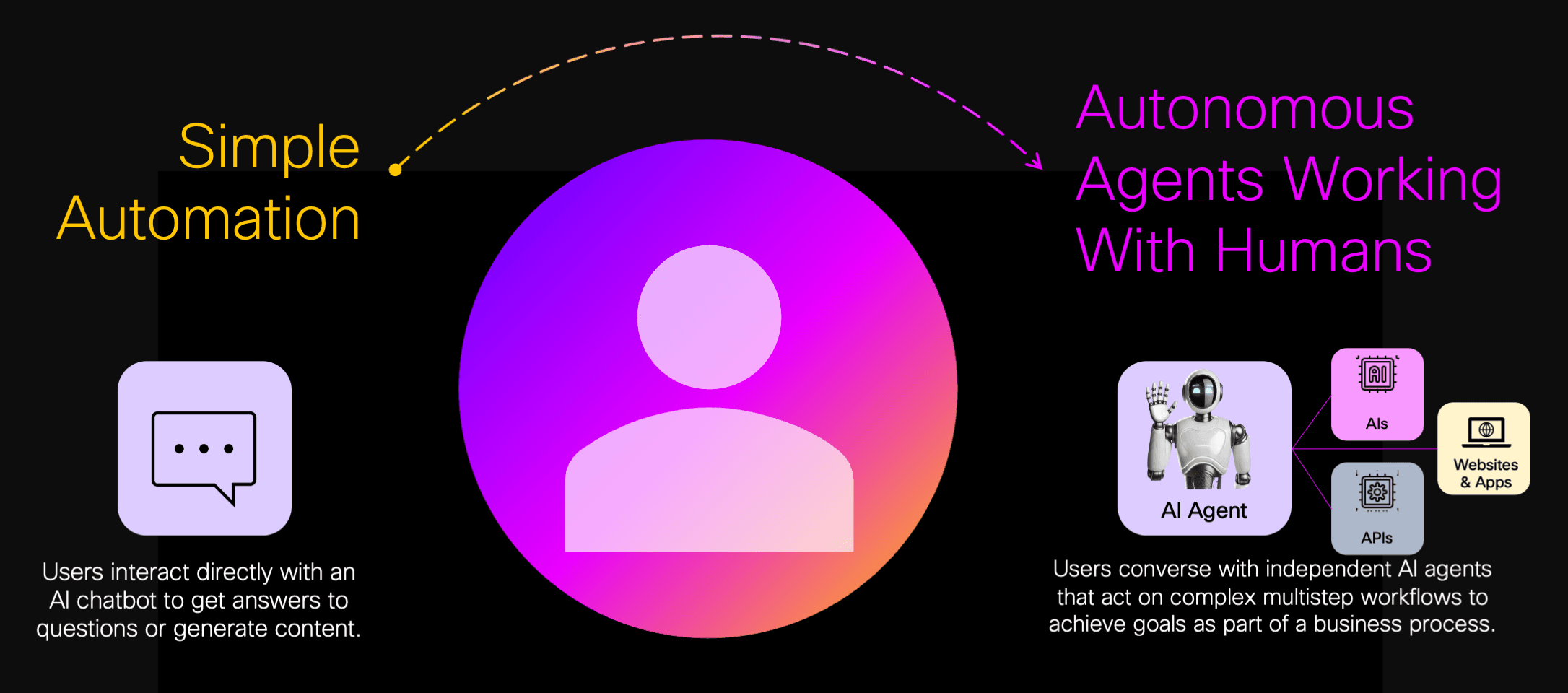
The rise of intelligent agents demands more than just “AI automates tasks.” As agents become autonomous collaborators, the interaction model shifts.
We are facing:
Lack of consistent behaviour models: Different teams built agents that behaved inconsistently from the user’s viewpoint, making trust and predictability difficult.
Limited transparency: Users often couldn’t understand why an agent did something or how much control they had.
Fragmented tooling: No unified component or SDK for agent-human collaboration across products.
Scaling human-agent relationships: As agent ecosystems grow, designing one-off workflows becomes unsustainable—users needed predictable, stable patterns.
Organization
Cisco
Role
Design Lead, Inventor
We approached it with three parallel tracks:
Behavioural Principles:
We defined the core rules that any agent-human interaction should follow, regardless of domain. (e.g., humans remain in control, the agent’s reasoning is visible, accountability flows back to the user)A SDK:
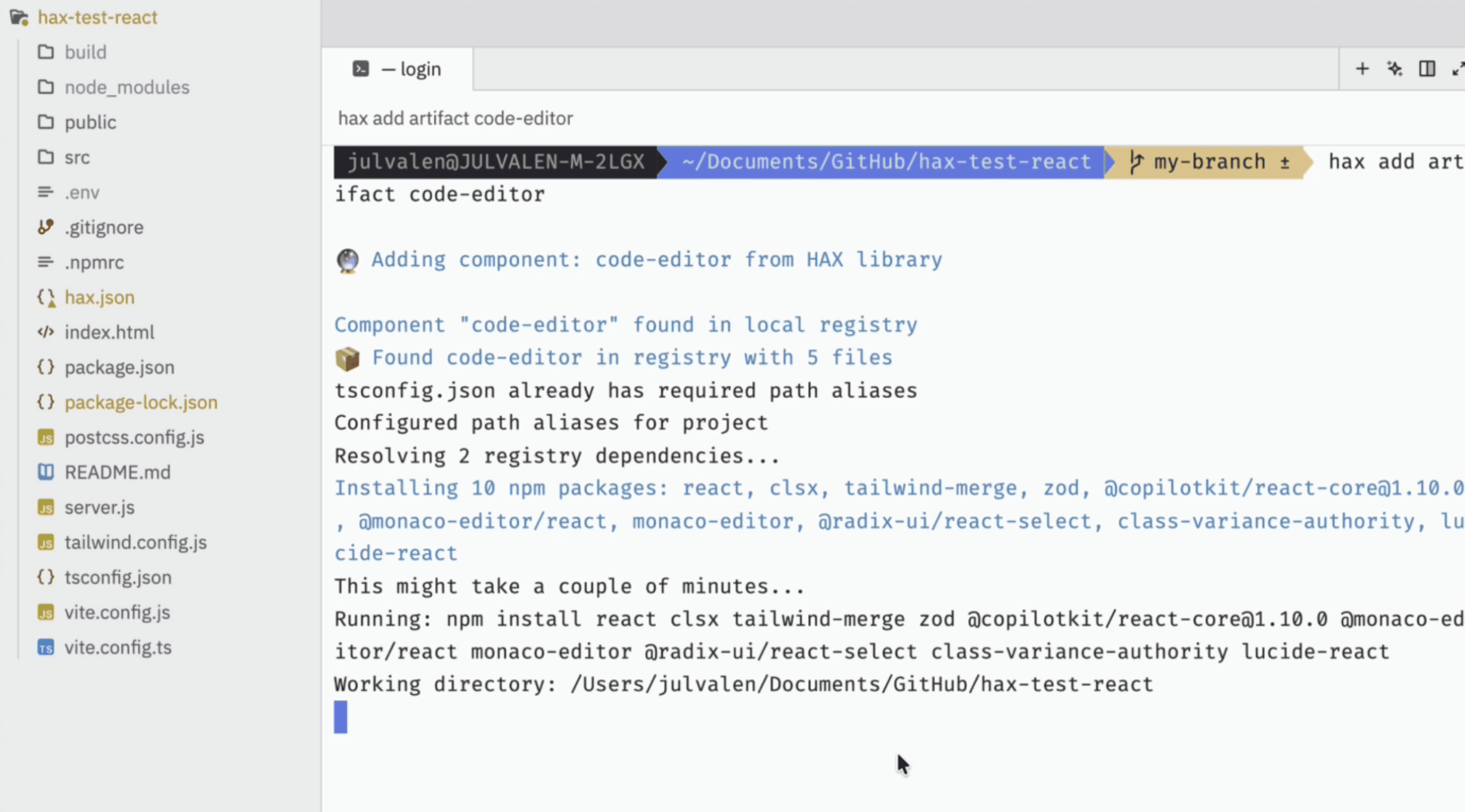
We developed an SDK that links back-end agent logic to front-end behavior and UI components, so teams can plug into the same human-agent interaction patterns rather than starting from scratch.A Component Library:
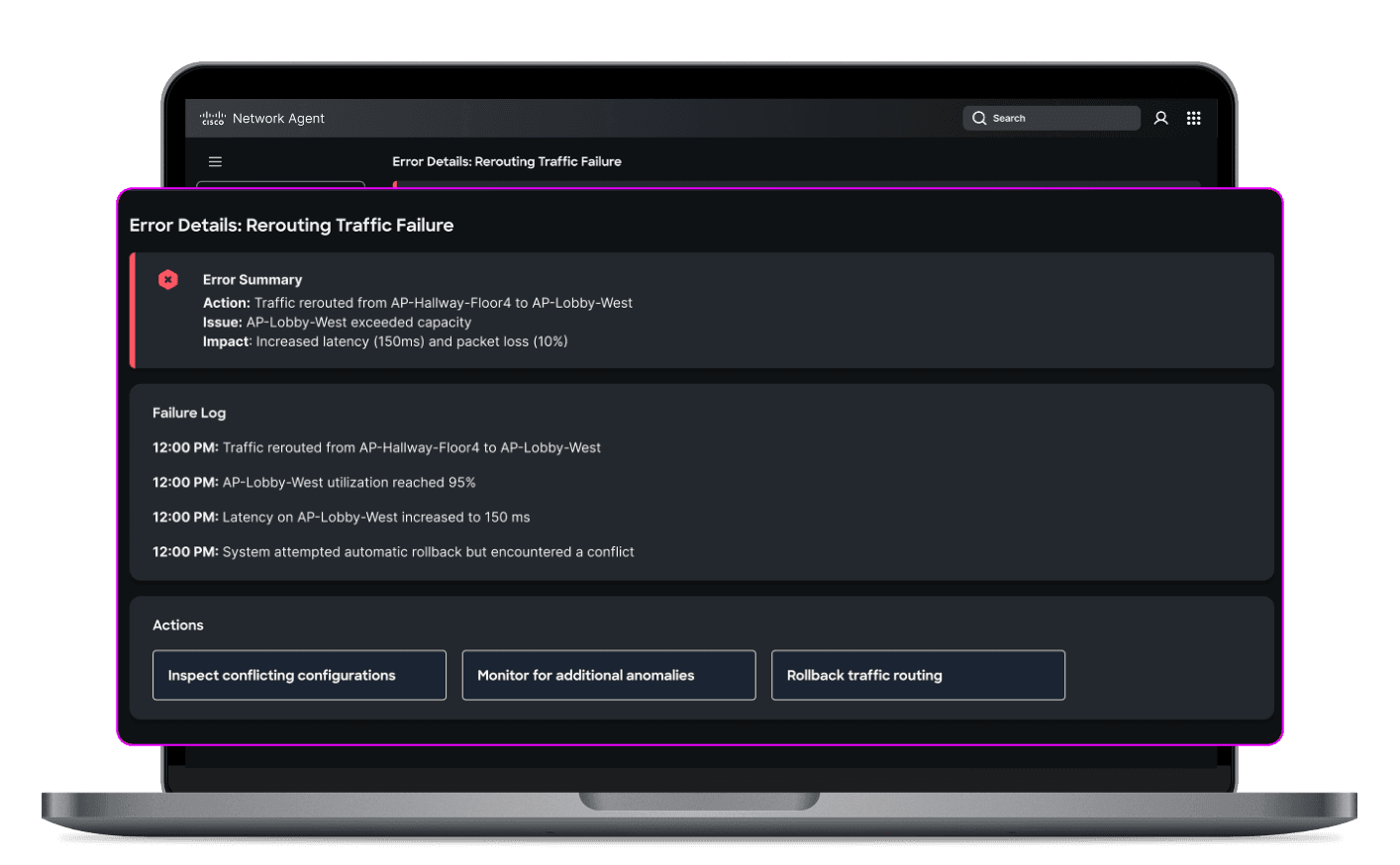
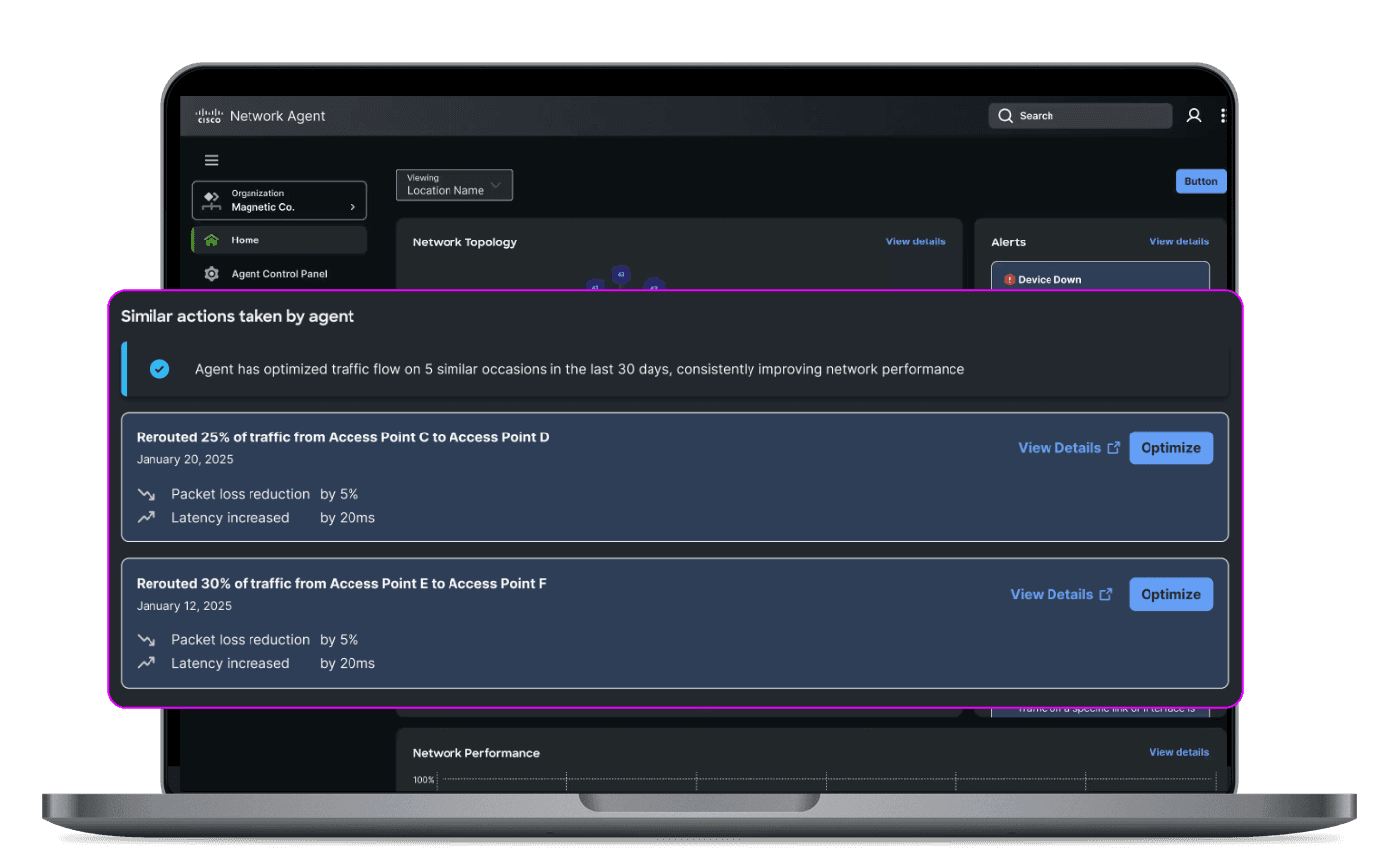
We built a set of UI and interaction components that embed those principles in reusable form: agent notifications, hand-off flows, task orchestration panels, escalation pathways.
We treated HAX as a behavior system, not just a set of guidelines.
That meant designing for consistency and composability across diverse products and agent workflows.
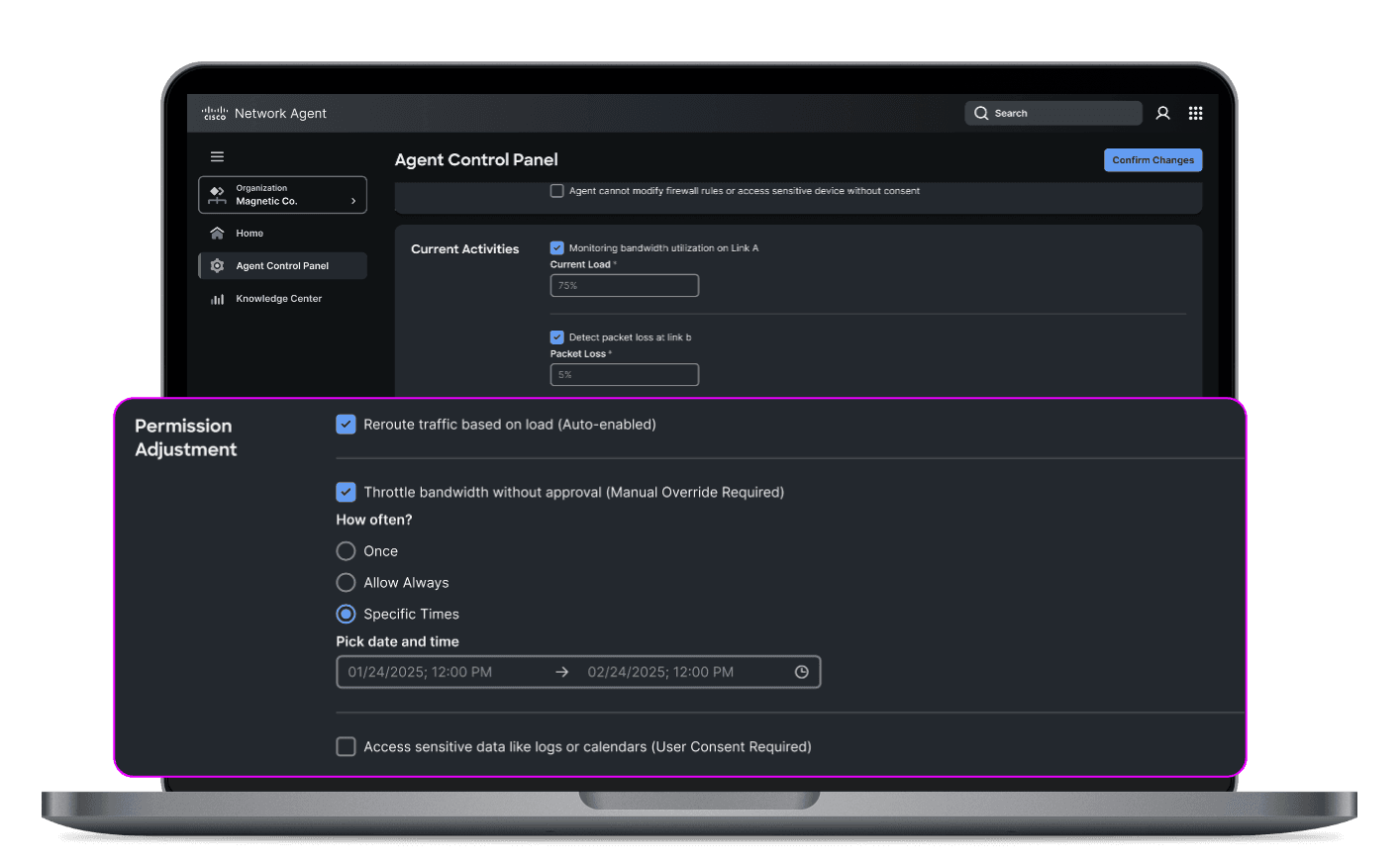
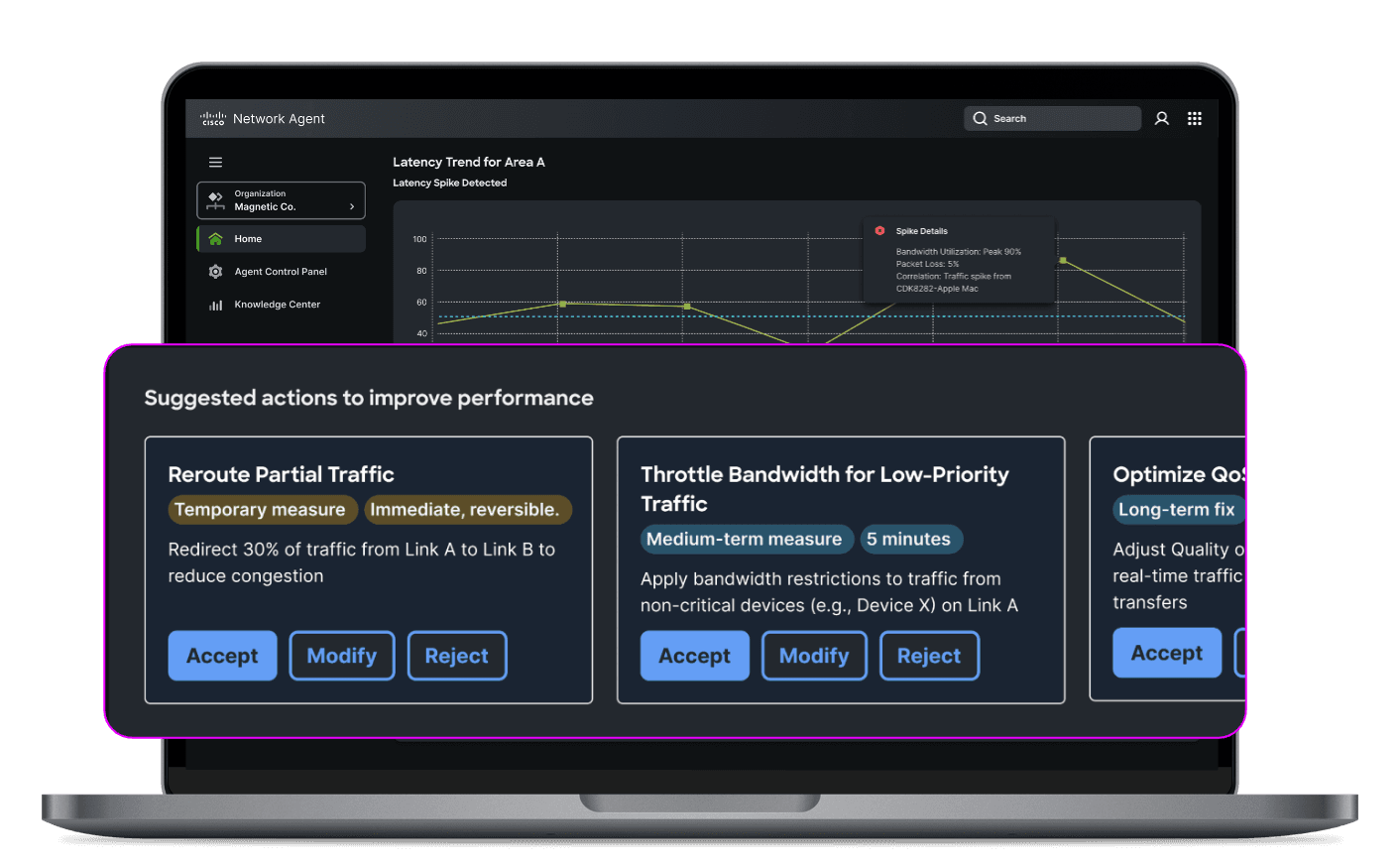
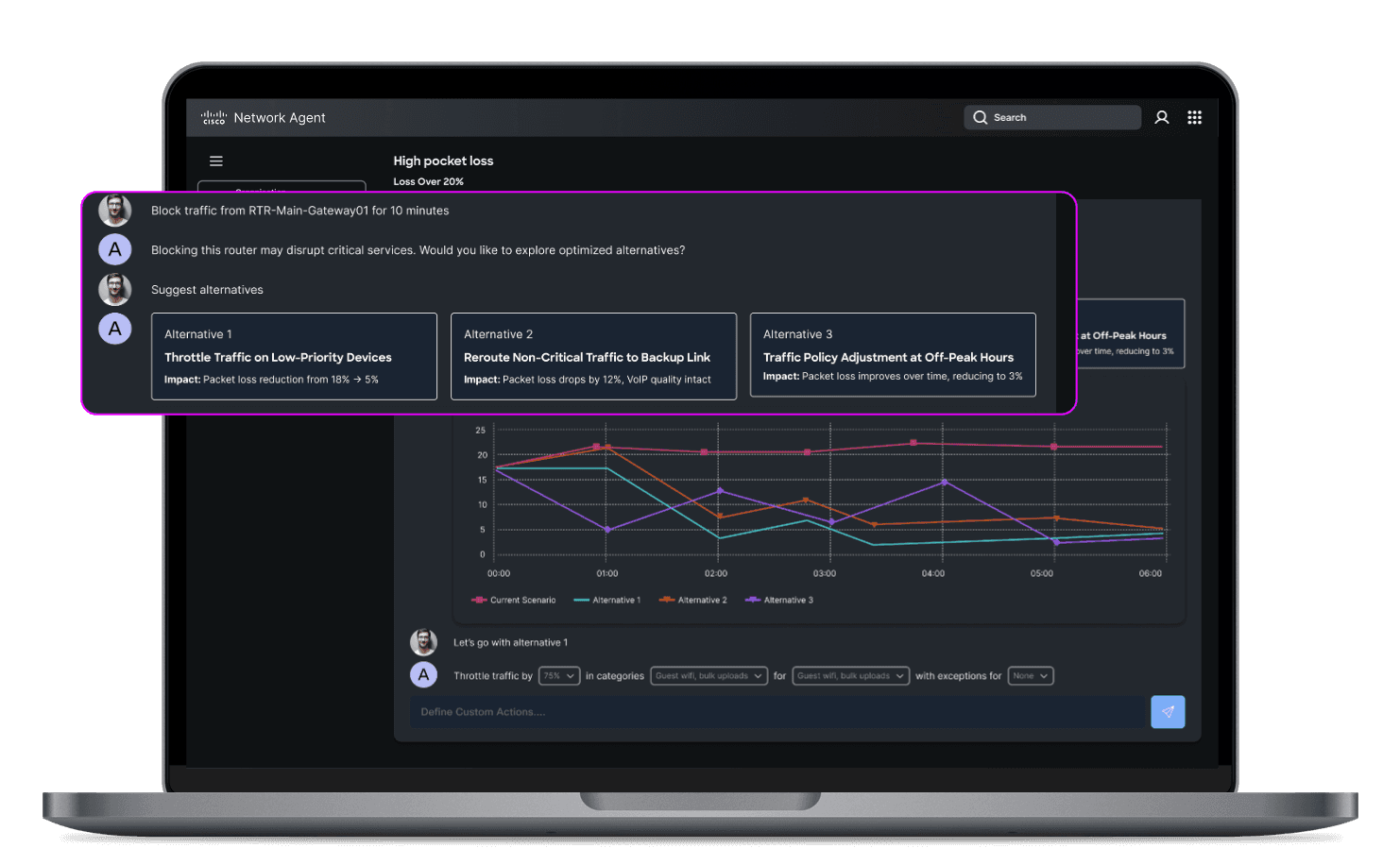

Defines the five behavioral foundations: Control, Clarity, Recovery, Collaboration, and Traceability. These principles give teams a shared language for designing trustworthy and explainable systems.
The developer toolkit that connects agent reasoning, state, and confidence data directly to user facing components. The SDK standardizes how explainability, confidence, and control are represented across products.
A collection of modular UI components and design patterns that express the HAX principles in real interfaces. It includes elements for task orchestration, error recovery, confidence display, and user control.
Built on deep exploratory research into how people understand and collaborate with intelligent systems. The findings shaped a catalog of patterns focused on feedback, trust calibration, and orchestration.
Supports multiple repositories so teams can share, fork, and customize components or maintain private libraries with version control.
Extends HAX across systems so an agent’s reasoning, evidence, and confidence stay consistent wherever it appears.